
Digital Marketing for Startups: A Complete Word Guide by KIPL
Starting a company today is more exciting than ever before—but it’s equally challenging. Competition is fierce, customer expectations are high, market dynamics are unpredictable, and attention spans are shorter. This is why digital marketing for startups is not just an advantage; it is the foundation for visibility, credibility, and sustainable growth.
Whether your startup focuses on SaaS, D2C products, EdTech, consulting, retail, or services, digital strategy decides how fast your business grows. At KIPL, we work closely with early-stage and scaling startups, enabling them with actionable digital strategies that accelerate growth without burning unnecessary resources.
This comprehensive guide expands on every essential element of digital marketing for startups, showing you exactly how to build a strong digital presence and convert traffic into paying customers.
Why Digital Marketing Matters for Startup Growth
Startups operate under intense pressure—limited budgets, small teams, tight timelines, and the need to prove business value quickly. Traditional marketing offers visibility, but it comes with high costs and low control. In comparison, digital marketing for startups provides measurable results, precise targeting, and immediate scalability.
Let’s explore these advantages in greater detail:
-
Cost-Effective Growth
Traditional marketing methods—TV, radio, newspaper ads, billboards—require heavy spending without guaranteed results. Most startups simply cannot afford this.
Digital marketing, however, offers:
- Low entry cost
- Pay-as-you-go advertising
- Ability to start with small budgets
- Optimization based on performance
- Complete visibility on spending
For example, a startup can begin running Google Search Ads for as low as ₹300 per day, test different campaigns, and scale only what converts. This makes digital marketing for startups ideal for budget-conscious founders who still want high impact.
-
Measurable and Data-Driven Marketing
In digital marketing, every user action leaves a trackable footprint.
You can measure:
- Website visits
- Click-through rates
- Ad conversions
- Customer acquisition cost (CAC)
- Customer behavior
- Revenue generated
- ROI of every rupee spent
This level of transparency empowers startups to make smarter decisions. Instead of guessing what customers want, you can analyze data and respond accordingly. This is why digital marketing for startups delivers growth based on facts, not assumptions.
-
Helps Compete With Big Brands
A new startup cannot compete with established brands in physical advertising, but in digital space, the competition is fair. Google search rankings depend on relevance and optimization—not company age.
Examples:
- A well-optimized startup website can outrank large corporations.
- A creative social media campaign can go viral overnight.
- Performance ads allow startups to reach customers instantly.
This is what makes digital marketing for startups the ultimate competitive equalizer.
-
Builds Early Trust and Brand Identity
Today’s customers research everything online before making a decision. If your startup lacks an online presence, it appears unreliable—even if your product is excellent.
Digital branding helps you:
- Look professional
- Communicate values
- Build authority
- Establish trust
- Showcase credibility
Trust is currency, and digital marketing for startups allows you to earn it faster.
-
Direct Customer Communication
Digital channels enable you to communicate with customers in real-time:
- Instagram DMs
- WhatsApp messages
- Email newsletters
- Website chatbots
- Customer support on social media
This direct connection improves customer relationships and helps you understand their needs better. For startups, this feedback is priceless.
Understanding the Startup Mindset: Why Digital Marketing Must Be Different
Startups operate differently from established businesses. They need speed, scalability, and efficiency. Therefore, digital marketing for startups must be designed to adapt quickly to market changes.
Startups typically require:
-
Fast Results
They cannot wait 12 months for brand-building outcomes; they need leads and revenue quickly.
-
High ROI
Every rupee must generate measurable value.
-
Agile Marketing Strategies
Startups pivot often. Their marketing must adapt quickly too.
-
Lean Teams
Most startups cannot afford large marketing departments. They need automation and efficient execution.
-
Scalable Systems
Your marketing should grow with your startup without requiring massive rework.
KIPL understands this startup dynamic and creates custom-built digital frameworks that guarantee fast, sustainable, and cost-effective growth.
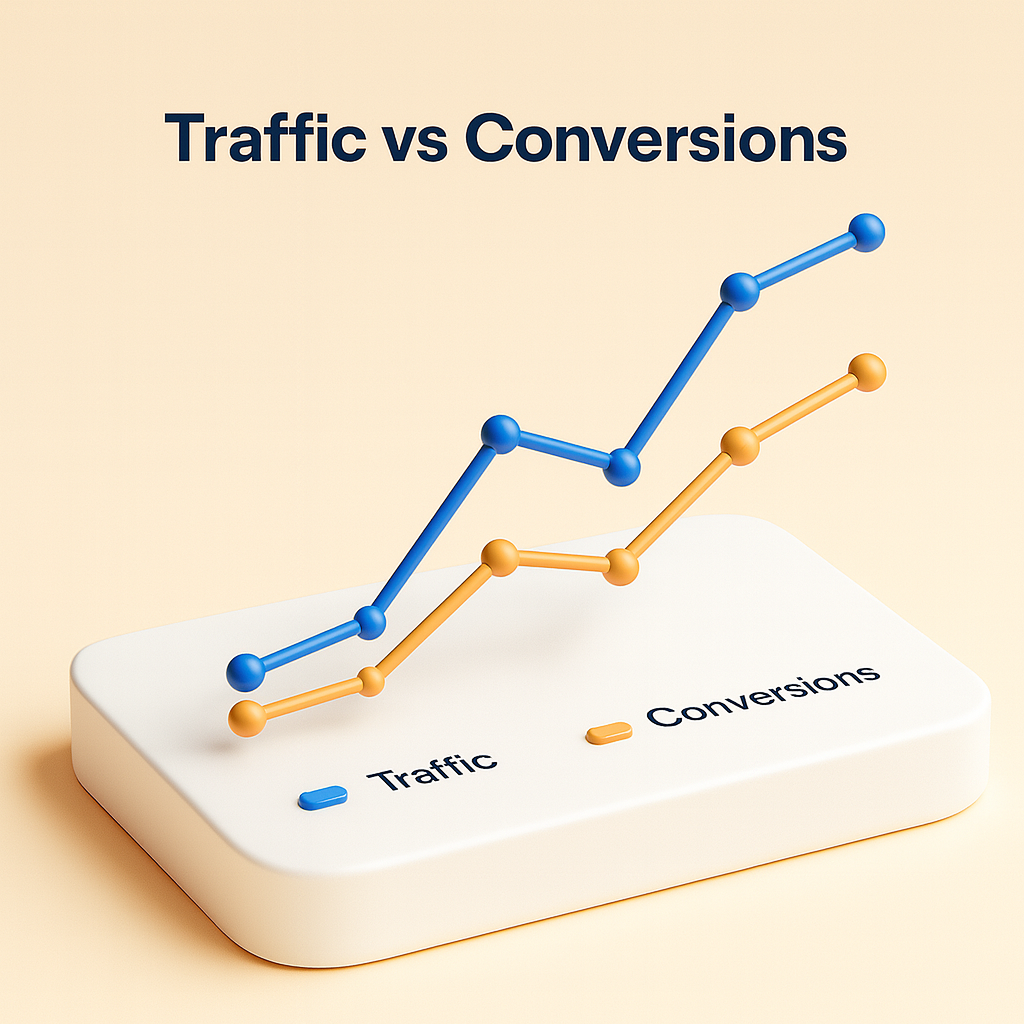
Key Elements of a High-Performance Digital Marketing Strategy for Startups
Below are the expanded and detailed components of digital marketing for startups, based on KIPL’s experience working with multiple industries.
-
Brand Positioning & Digital Identity Development
Before you begin creating ads, publishing content, or launching a website, your startup needs clarity on its brand identity.
Your digital identity must define:
- Who you are
- What you stand for
- What problems you solve
- Why customers should choose you
How you want to be remembered
This includes:
- Logo design
- Brand color palette
- Tone of voice
- Messaging style
- Value propositions
- Tagline development
Strong brand positioning ensures consistency across your website, ads, emails, and social media. Without this, even great marketing will fail, because customers won’t understand your purpose.
This is why digital marketing for startups begins with strong brand-building.
-
Website Development That Converts Visitors Into Customers
A website is not just a digital brochure—it is your startup’s salesperson, customer support, and brand showcase.
A high-converting startup website must include:
Clear user flow
Users should instantly understand what you offer and how to take action.
SEO-friendly structure
Optimized headings, metadata, and page speed help ranking.
Fast loading time
Slow websites lose 60–80% of users.
Engaging visuals
Graphics, animations, and photos bring the website to life.
Landing pages
Special pages for ads help increase conversion rates.
Mobile-first design
More than 70% of users browse on mobile.
A well-built website makes digital marketing for startups far more effective, because ads and SEO work best when backed by a strong digital presence.
-
Search Engine Optimization (SEO) — The Long-Term Growth Engine
SEO helps your startup appear on Google when people search for solutions that you offer.
SEO for startups includes:
-
Keyword Research
Finding the right keywords your customers are searching for.
-
On-Page Optimization
Optimizing headings, content, URLs, meta descriptions, tags, images, and internal links.
-
Technical SEO
Ensuring website speed, security, indexability, and smooth performance.
-
Local SEO
For location-based startups, listing on Google My Business is essential.
-
Content Marketing
Blogs, FAQs, articles, and guides help you rank organically.
-
Backlink Building
High-quality links boost authority and ranking.
Startups need SEO because paid ads can become expensive over time. SEO reduces CAC (Customer Acquisition Cost) and improves long-term lead flow. This is why digital marketing for startups is heavily dependent on building strong SEO foundations.
-
Performance Marketing & Paid Advertising
Startups cannot rely on organic growth alone—paid advertising accelerates immediate visibility.
Best platforms for startup paid ads:
- Google Ads
- Search ads
- Display ads
- Shopping ads
- YouTube ads
- Meta Ads
- Instagram and Facebook ads
- Lead forms
- Carousel ads
- Video promotions
- LinkedIn Ads
Highly effective for B2B startups.
YouTube Ads
Great for brand awareness and product demos.
Objectives for startup ads:
- Lead generation
- Conversions
- Brand awareness
- App installs
- Traffic growth
Paid ads give immediate traction, and when combined with good analytics, they become a powerful engine for startup scaling. This is why digital marketing for startups often begins with strategic performance marketing.
-
Content Marketing: Build Authority, Trust, and Engagement
Content is one of the most powerful tools for startup growth. It educates customers, improves SEO, increases trust, and builds brand credibility.
Effective content types for startups:
- Long-form blogs
- SEO articles
- Case studies
- Product videos
- Explainer animations
- Infographics
- Whitepapers
- Social media content
- Lead magnets (guides, eBooks, templates)
Good content allows your startup to be discovered, remembered, and trusted. It provides value long before the sale. This strengthens digital marketing for startups by attracting warm leads instead of cold ones.
-
Social Media Marketing: Build Visibility & Community
Your startup needs to be active on platforms where customers spend their time.
Social media strategies for startups include:
Consistent posting
Daily or weekly content keeps your startup visible.
Storytelling
Share founder journey, behind-the-scenes content, and customer stories.
Engagement
Replying to comments, DMs, and community interactions.
Paid promotions
Boosted posts and targeted ads.
Influencer partnerships
Micro-influencers can deliver excellent results at low cost.
This humanizes your brand, strengthens trust, and enhances customer communication—core pillars of digital marketing for startups.
-
Email Marketing & Automation: Nurture Leads Automatically
Email remains the highest ROI digital channel.
Why startups need email automation:
- Conduct follow-ups automatically
- Nurture potential leads
- Build long-term relationships
- Improve retention
- Launch product updates
- Run promotional campaigns
Email workflows allow startups to communicate efficiently without hiring large teams, making it essential in digital marketing for startups.
-
Startup Lead Generation Funnel — The Backbone of Growth
A powerful lead generation funnel converts strangers into customers step by step.
Stages of the funnel:
-
Awareness
People discover your brand via ads, SEO, and social posts.
-
Interest
They explore your website, watch videos, or read blogs.
-
Consideration
They compare your startup with competitors.
-
Conversion
They buy, sign up, or request a demo.
-
Retention
You maintain relationship through email, support, and updates.
A well-designed funnel ensures that leads move smoothly toward becoming paying customers. Without this system, digital marketing for startups becomes ineffective.
-
Analytics & Data-Driven Decision Making
Smart startups grow using data, not assumptions.
Important metrics to track:
- Cost per click (CPC)
- Click-through rate (CTR)
- Conversion rate
- Bounce rate
- Lead quality
- CAC (Customer Acquisition Cost)
- LTV (Lifetime Value)
- ROAS (Return on Ad Spend)
Analytics tools like Google Analytics, Search Console, Hotjar, and Meta Insights help you refine your strategy continuously. This analytical approach is essential in digital marketing for startups.
-
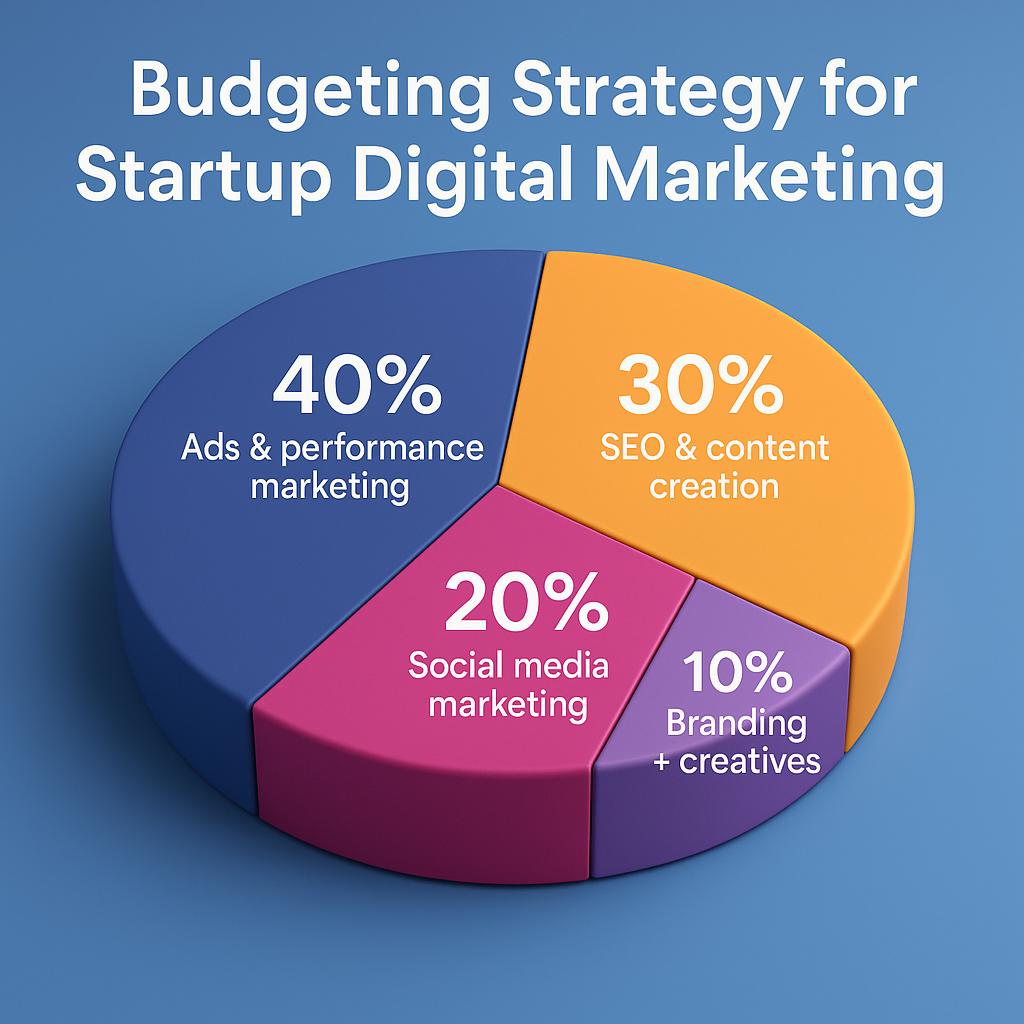
Budgeting Strategy for Startup Digital Marketing
Without proper budgeting, startups often overspend or spend incorrectly.
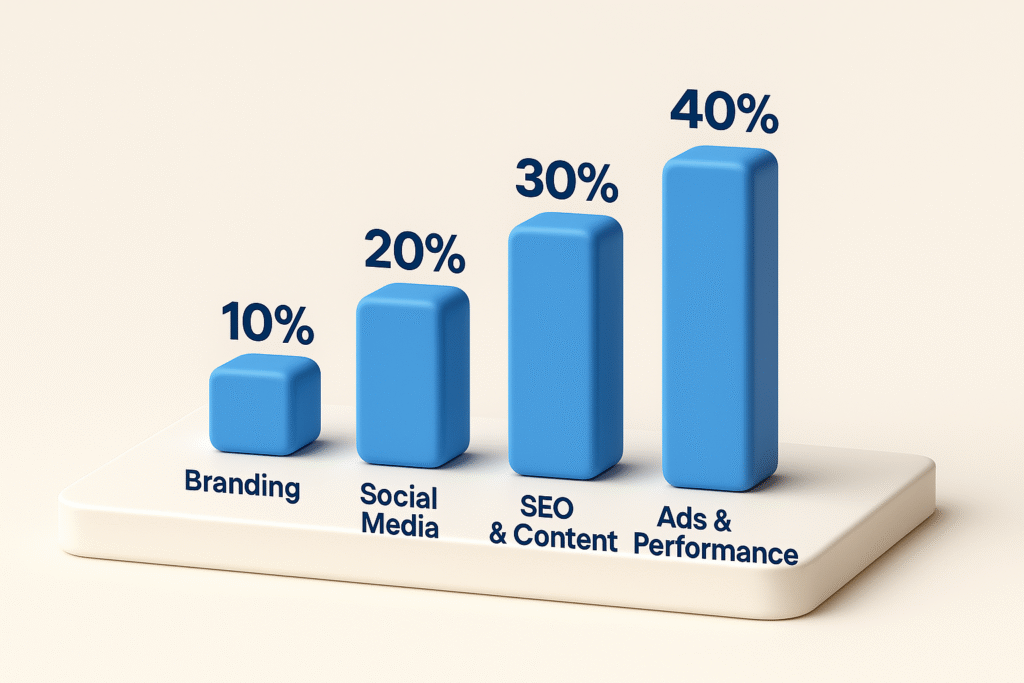
The ideal digital marketing budget split:
- 40% – Ads & performance marketing
- 30% – SEO & content creation
- 20% – Social media marketing
- 10% – Branding + creatives
This ensures your startup invests in both short-term and long-term growth pathways. A balanced digital budget makes digital marketing for startups stable, predictable, and scalable.
KIPL’s Expert Framework for Digital Marketing for Startups
Here’s how KIPL helps startups build a result-driven digital ecosystem:
Step 1: Brand & Market Understanding
We analyze:
- Market opportunities
- Target audience behaviour
- Competitor weaknesses
- Digital gaps
This helps us tailor a strategy that suits your startup stage and goals.
Step 2: Strategic Blueprint Creation
We create a customized digital roadmap covering:
- SEO plan
- Website optimization
- Content strategy
- Social media plan
- Performance ads strategy
- Lead funnel design
This blueprint ensures every action supports growth.
Step 3: Execution With Precision
KIPL manages end-to-end digital execution:
- Designing creatives
- Publishing social posts
- Managing ad campaigns
- Creating content
- Optimizing landing pages
- Tracking performance
This frees startups from hiring multiple teams.
Step 4: Weekly Optimization & Scaling
We monitor campaigns daily and refine:
- Keywords
- Ad copies
- Targeting
- Creatives
- Landing page design
This ensures maximum ROI.
Step 5: Growth Tracking & Reporting
Startups receive:
Weekly performance reports
Monthly growth summaries
Insights + improvement recommendations
With this, your startup always knows how digital efforts are contributing to revenue.
FAQ: Digital Marketing for Startups
-
What is digital marketing for startups?
Digital marketing for startups refers to using online platforms such as Google, social media, email, and content marketing to increase visibility, attract customers, generate leads, and grow a new business. It provides cost-effective, measurable, and scalable results—perfectly suited for startups with limited budgets and high growth goals.
-
Why is digital marketing important for new startups?
Digital marketing is essential because it:
- Helps reach a large audience at a low cost
- Delivers measurable results
- Builds brand trust quickly
- Enables targeted campaigns
- Supports fast lead generation and sales
For startups trying to grow in competitive markets, digital marketing ensures they compete effectively with larger companies.
-
How much should a startup invest in digital marketing?
Investment depends on the industry and goals, but a typical startup should allocate:
- 40% for paid ads
- 30% for SEO + content
- 20% for social media
- 10% for branding
Most startups begin with a monthly budget between ₹25,000 – ₹1,00,000 and scale as revenue increases.
-
Which digital marketing channels work best for startups?
The most effective channels are:
- Google Search Ads
- Instagram & Facebook Ads
- LinkedIn (for B2B startups)
- SEO (organic growth)
- Email automation
- YouTube Marketing
Combining these channels creates a complete growth ecosystem.
-
How long does digital marketing take to show results for startups?
Startup marketing typically delivers:
- Immediate results with paid ads
- 3–6 months for SEO growth
- 1–3 months for social media traction
- 2–4 weeks for email automation impact
A mix of short-term and long-term strategies ensures consistent growth.
-
What is the role of SEO in digital marketing for startups?
SEO helps startups:
- Rank on search engines
- Generate free organic traffic
- Lower advertising costs
- Build long-term visibility
- Establish brand authority
With strong SEO, startups reduce dependency on paid ads over time.
-
What is performance marketing, and why is it important for startups?
Performance marketing involves running paid ads and paying only for measurable outcomes like:
- Clicks
- Leads
- Sales
- App installs
- Website traffic
It gives startups fast visibility and instant customer acquisition, making it a key part of digital marketing for startups.
-
How can startups generate leads online?
Startups can generate leads through:
- Google Ads
- Social media ads
- SEO-optimized landing pages
- Lead magnets (ebooks, checklists, freebies)
- Webinars
- Email funnels
Combining these methods increases both lead quality and volume.
-
What type of content should startups create?
Startups should focus on:
- Blogs targeting customer pain points
- Case studies
- Product demo videos
- Social media value posts
- Infographics
- FAQ pages
- Comparison articles
Content marketing builds trust and attracts customers organically.
-
Do startups need social media marketing?
Yes. Social media helps startups:
- Build brand visibility
- Engage customers
- Share stories
- Increase trust
- Run cost-effective campaigns
Active social platforms can significantly improve customer acquisition.
-
How can startups measure digital marketing success?
Using tools like Google Analytics, Meta Ads Manager, and CRM dashboards, startups can measure:
- Website traffic
- Lead conversion rate
- Sales
- CAC (customer acquisition cost)
- ROAS (return on ad spend)
- Brand engagement
These metrics help optimize future campaigns.
-
Can digital marketing work for both B2B and B2C startups?
Absolutely.
B2B startups benefit from LinkedIn, SEO, and email marketing.
B2C startups rely more on social media ads, influencers, and content.
Digital marketing is universally effective across industries.
-
How can startups reduce their marketing costs?
Startups can lower costs by:
- Focusing on SEO to reduce ad spend
- Using automation tools
- Creating content in-house
- Targeting niche keywords
- Testing ads with small budgets
- Refining landing pages for better conversions
Reducing waste in campaigns increases profitability.
-
Should early-stage startups run paid ads?
Yes—if the goal is fast visibility and lead generation.
Paid ads help startups validate their product, understand customer behavior, and scale quickly.
However, ads must be paired with:
- Good website
- Clear messaging
- Strong backend funnel
KIPL specializes in running high-ROI performance ads for startups.
-
What makes KIPL the best choice for digital marketing for startups?
KIPL is trusted by startups because we offer:
- Custom strategies tailored to startup budgets
- Fast execution and result-focused approach
- Expert SEO, content, and performance marketing
- Dedicated social media management
- Weekly optimization & transparent reporting
- High conversion landing pages
- Proven frameworks for scaling early-stage businesses
- Our goal is to help startups grow faster without overspending.
Conclusion
The modern startup ecosystem thrives on innovation, speed, and digital-first thinking. Digital marketing for startups is the fastest and most cost-effective way to build brand presence, attract customers, and grow sustainably.
With a well-structured digital strategy—supported by SEO, content marketing, social media, performance ads, and analytics—your startup can transform from an idea into a strong, competitive brand.
KIPL empowers startups with proven frameworks, expert execution, and cutting-edge digital solutions. Whether you’re in your early launch phase or scaling to the next level, we ensure your digital systems are perfectly aligned to support rapid growth.
Contact Details – KIPL
KIPL, Ground Floor, 26, 18th Main Rd, CHBS Layout, Stage 2, Vijayanagar, Bengaluru, Karnataka 560040
Email:
Call Us:
Website:
One Response